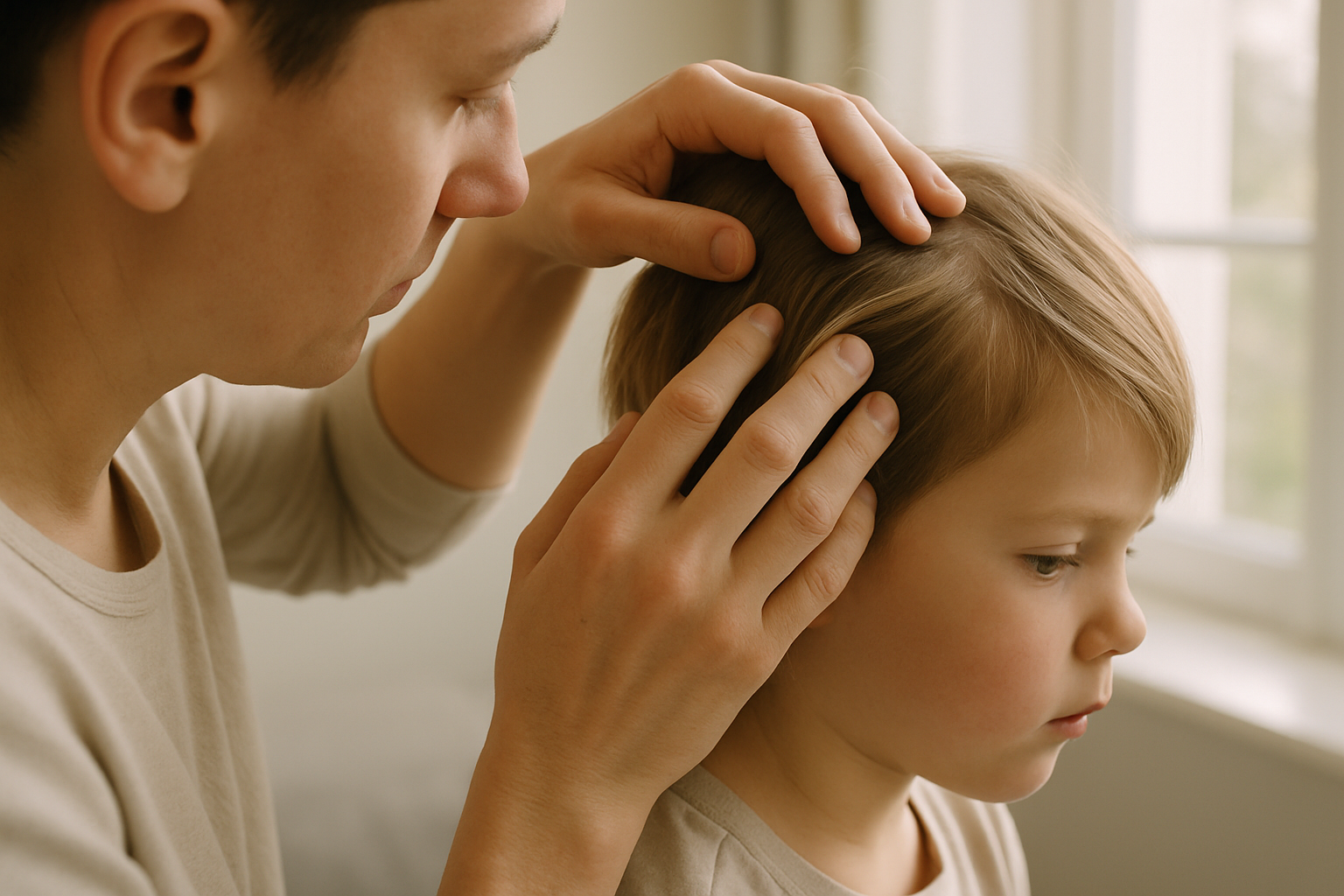
How Did My Child Get Head Lice? A Clear Explanation

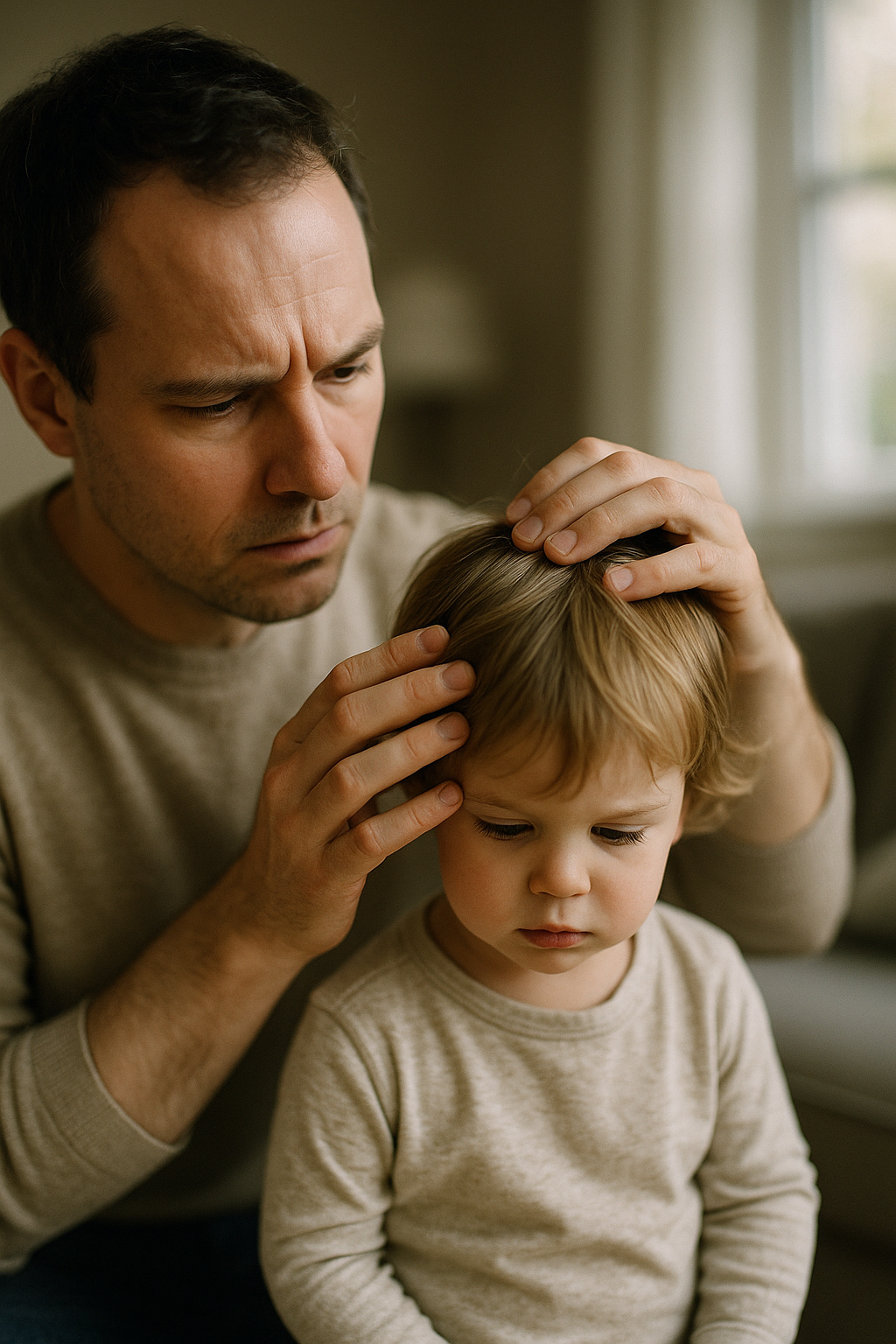
How Did My Child Get Head Lice?
The short answer
If you’re asking how did my child get head lice, the most likely reason is simple: close head-to-head contact with another child who had lice. This happens most often during play, school activities, sports, or sleepovers. Lice do not jump or fly—they crawl from one head to another.
Head lice are extremely common among elementary-aged children and have nothing to do with cleanliness, parenting, or home hygiene.
Where do kids get lice?
Parents often want to know exactly where do kids get lice. In real life, it’s usually one of these everyday situations:
- Playing closely with friends (heads touching during games or screen time)
- Classroom activities that involve sitting or working close together
- Sleepovers or slumber parties
- Sports huddles, dance practice, or group photos
- Sharing space where heads touch (reading circles, carpet time)
It’s often impossible to identify the exact child who had lice first. By the time lice are noticed, they may have been present for weeks.
For evidence-based education on how lice spread, see the resources provided by Lice Institute of America.
Lice at school: what actually happens
Lice at school is the most common scenario for children. Schools bring many kids into close contact every day, which creates ideal conditions for lice transmission.
Important facts that surprise many parents:
- Schools are not required to send children home immediately for lice in many states
- “No-nit” policies are discouraged by pediatric experts
- Lice do not spread disease and are considered a nuisance, not a medical emergency
According to the American Academy of Dermatology, “Head-to-head contact is the most common way to get head lice.”
How lice transmission works in kids
Understanding lice transmission in kids helps explain why outbreaks happen so easily.
What lice can do
- Crawl quickly between hair strands
- Grip hair tightly with claw-like legs
- Lay eggs close to the scalp where it’s warm
What lice cannot do
- Jump or fly
- Live long off the human head
- Spread through pets
Sharing hats or brushes is possible but far less common than direct head contact. This is why outbreaks continue even in families that don’t share personal items.
Common myths that cause confusion
- Myth: Only dirty hair gets lice
Reality: Lice prefer clean hair because it’s easier to grip - Myth: Lice jump from furniture or carpets
Reality: Lice rarely survive off the scalp - Myth: Only young children get lice
Reality: Anyone can get lice, including adults
Educational articles in the professional lice resources library address these myths in detail.
What to do once you discover lice
- Confirm live lice (not just old nits)
- Check all household members
- Start treatment promptly and correctly
- Notify close contacts or the school if required
Many families choose professional help to avoid reinfestation and treatment failure. You can find a certified lice treatment clinic for same-day support.
How to reduce the risk going forward
- Tie back long hair for school and activities
- Teach children to avoid prolonged head-to-head contact
- Perform regular checks during the school year
- Act quickly if itching or scratching appears
Learning from certified professionals—like those trained through the Lice Institute of America certification program—helps ensure guidance is based on current science.
FAQ
Can my child get lice even if no one else is itchy?
Yes. It can take weeks before itching starts, so lice often spread unnoticed.
Do lice mean my child’s school is unsafe?
No. Lice are common wherever children gather and are not a sign of poor school hygiene.
Can adults get lice from their children?
Yes, especially through cuddling, bed-sharing, or close contact.
Should I deep-clean my entire house?
No. Focus on items that touch the head. Extensive cleaning is unnecessary.
Can my child return to school after treatment?
In most cases, yes—often the same or next day after treatment begins.
How do I know treatment worked?
No live lice found after careful checks over 7–10 days is the best indicator.
References
- American Academy of Dermatology
- Mayo Clinic
- American Academy of Pediatrics